

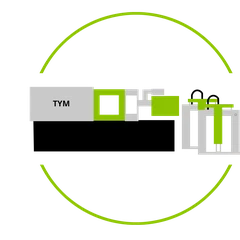
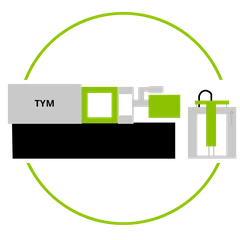
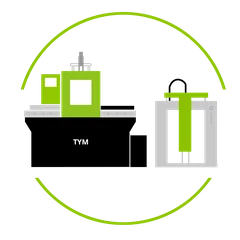
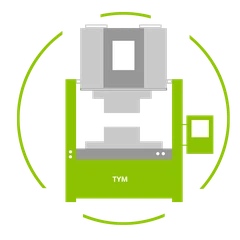
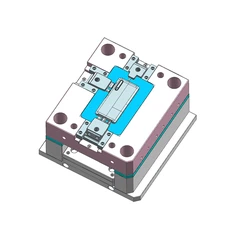
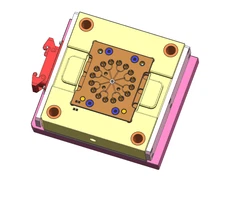
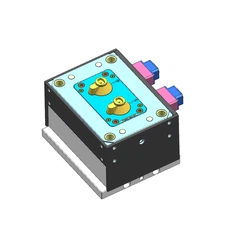

Multi-component liquid silicone rubber molding demands precise synchronization between injection units to achieve optimal material blending and interface bonding. Advanced control systems coordinate multiple injection points with millisecond precision, ensuring consistent material ratios and preventing cross-contamination between different LSR compounds during complex production cycles.

Real-time monitoring sensors track material viscosity, temperature, and flow rates at each injection point. Automated adjustment algorithms compensate for variations in material properties or environmental conditions. This dynamic control capability enables manufacturers to produce high-quality composite components with predictable mechanical properties and aesthetic characteristics.
Industrial applications include automotive gaskets combining rigid sealing elements with flexible vibration dampeners, and medical devices integrating soft-touch surfaces with rigid structural components. The synchronized injection technology reduces scrap rates by up to forty percent compared to sequential molding processes while maintaining production efficiency.
Future developments focus on artificial intelligence integration to predict optimal synchronization parameters based on material characteristics and part geometry. Machine learning algorithms analyze historical production data to identify patterns that improve bonding quality and reduce processing time. These advancements position multi-component LSR molding at the forefront of advanced manufacturing technologies.